Services Our Work Areas Advice Get a Quote FAQs Contact Call 07541 016106
Nottingham's Expert Tree Surgeons

Professional Tree Surgery
Across Nottingham

City & Guilds and NPTC certified arborists with 8 years of hands-on experience. From removal to pruning, we deliver expert results with care for your property and garden.

City & Guilds Certified NPTC Certified 8 Years Experience Free Quotes 24/7 Emergency
8+ Years Experience
15+ NG Postcodes Covered
24/7 Emergency Response
Free No-Obligation Quotes
Fully Qualified City & Guilds Certified
NPTC Certified Nationally accredited
8 Years Experience Expert local arborists
What we do

Tree Surgery Services in Nottingham

Expert tree care from qualified arborists — all work carried out to BS3998 standards

Tree Removal Nottingham

Safe, efficient removal of dead, diseased or hazardous trees of all sizes. Clean site left afterwards.

Tree Pruning & Crown Reduction

Crown reduction, thinning and lifting to BS3998 — cutting to natural pruning points, never topping.

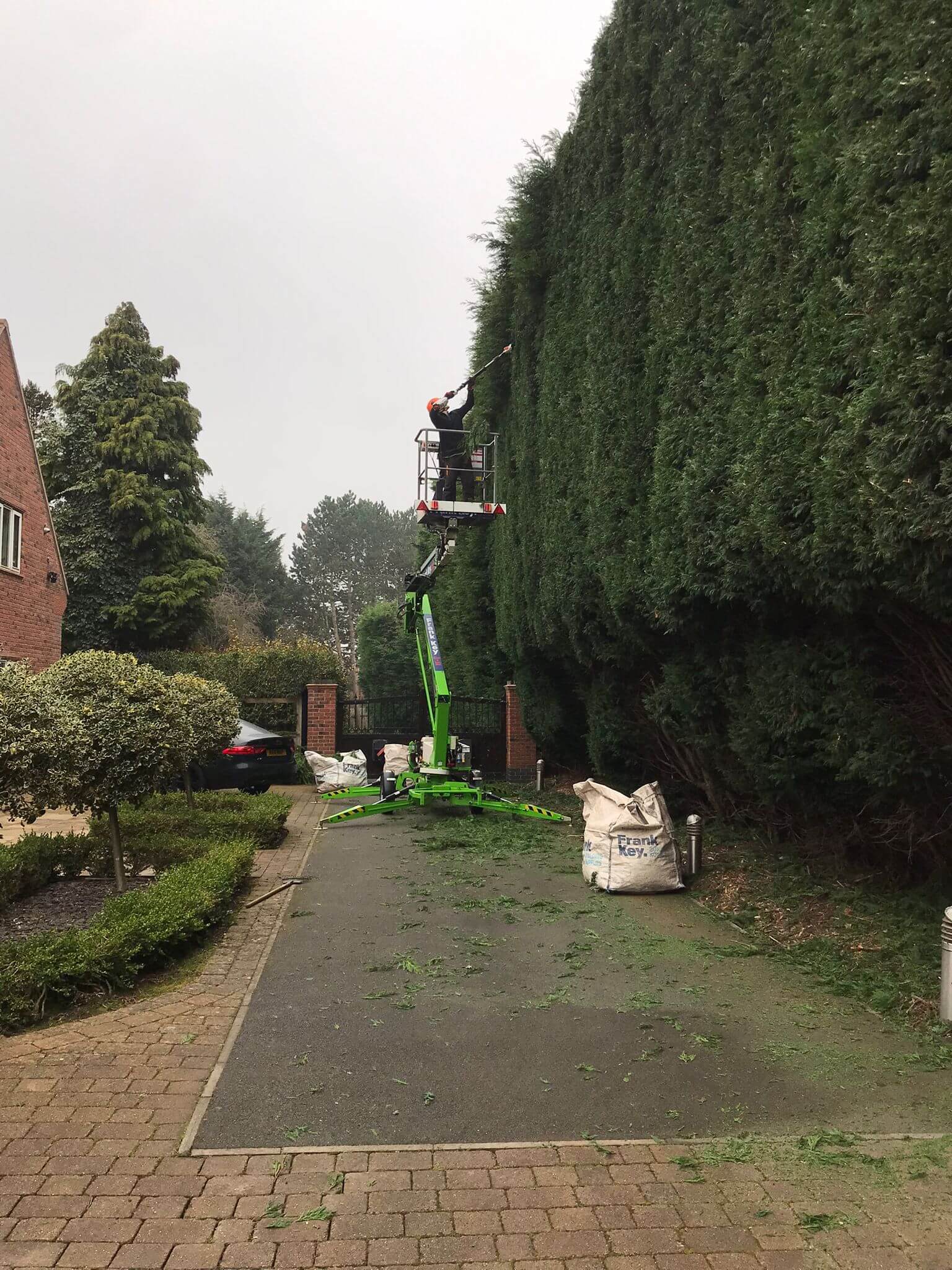
Hedge Trimming

Expert maintenance for all hedge types and sizes. Tidy, precise results every time.

Stump Grinding

Complete stump removal below ground level. Ready for turf, planting or paving.

Site Clearance

Full vegetation clearance for development or landscaping. All arisings removed and disposed of.

24 / 7

Emergency Tree Services

Storm damage or fallen tree? We respond fast across all Nottingham postcodes — call 07541 016106 any hour.

Call Now →
Gallery

Our Work Across Nottingham

Scroll or swipe to browse — tap any photo to enlarge.
Drag, swipe or use arrows to browse all photos

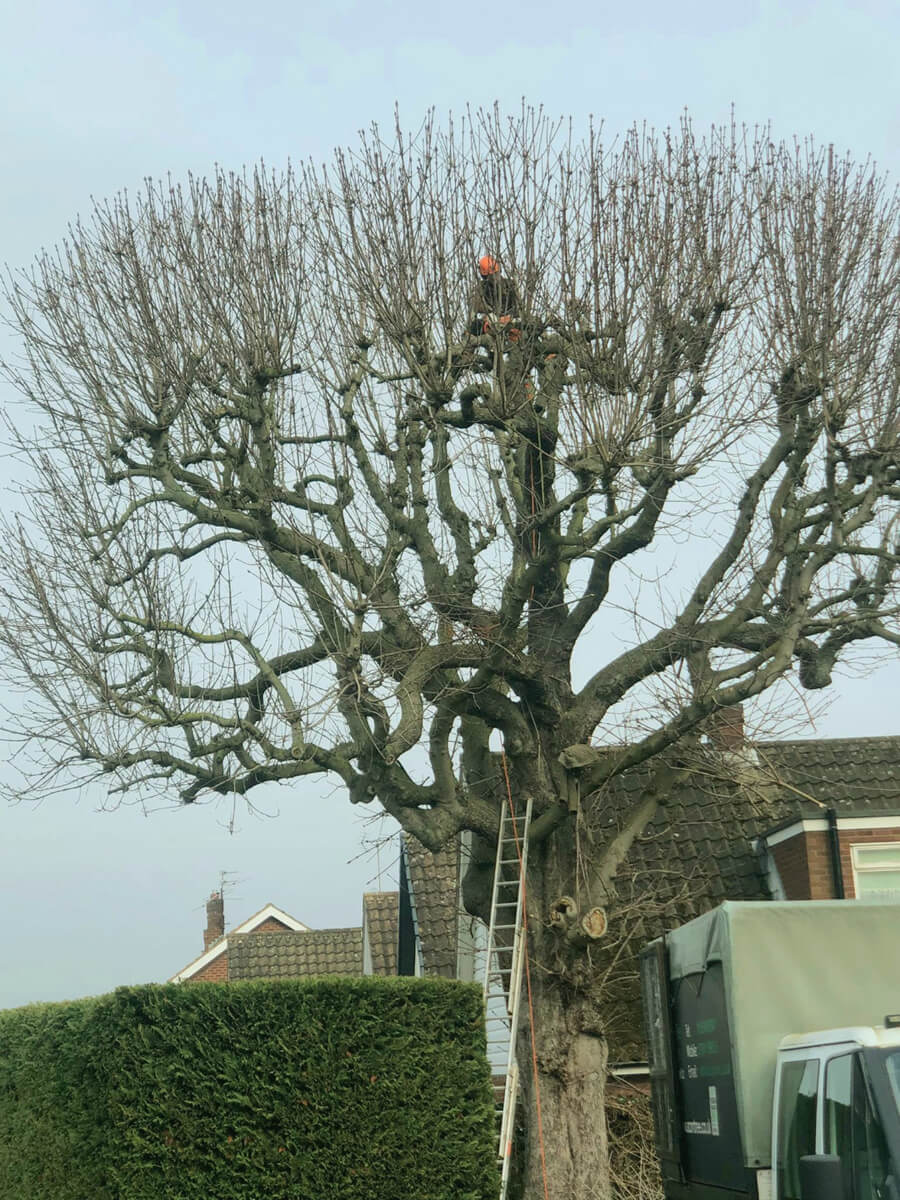
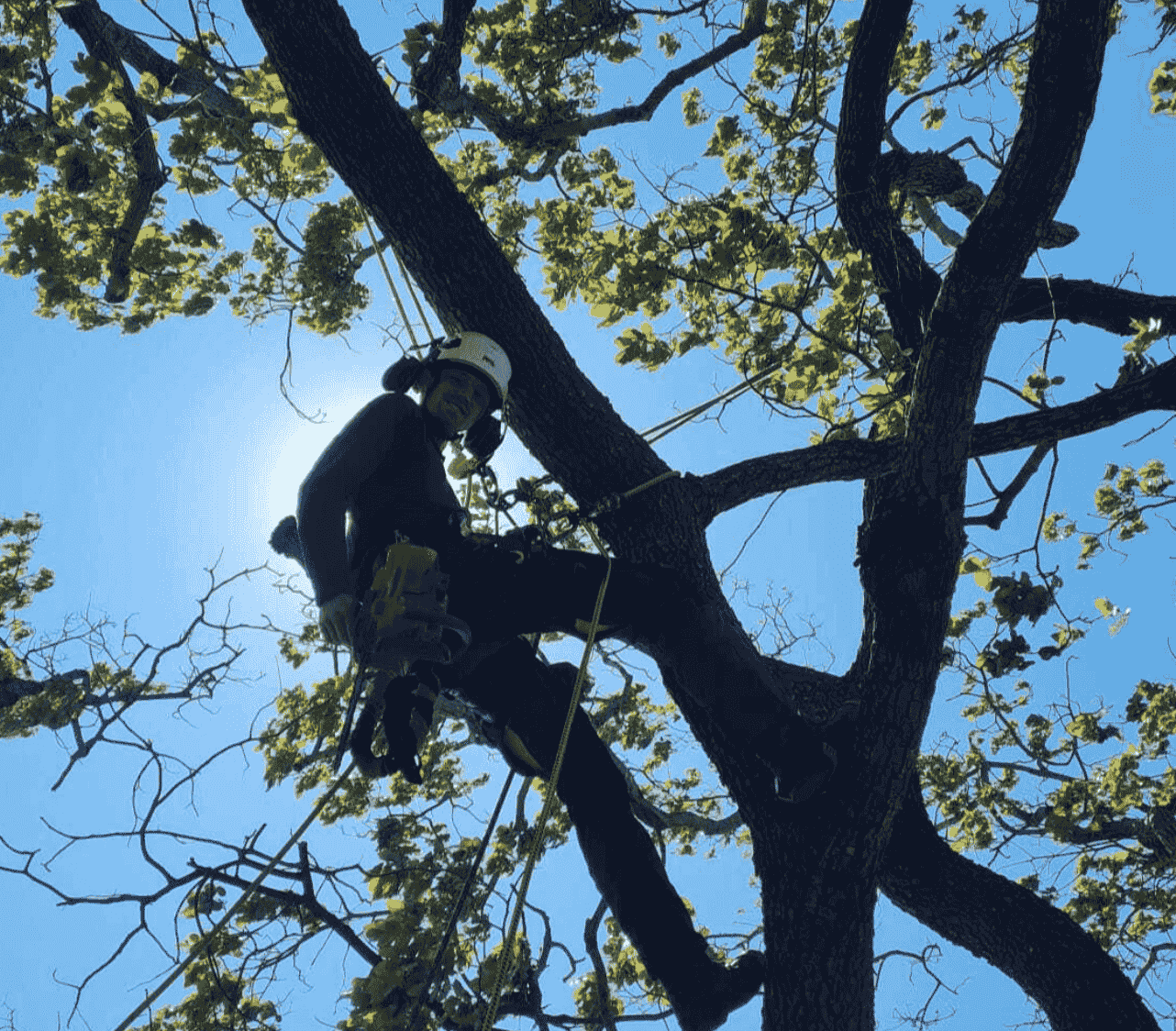
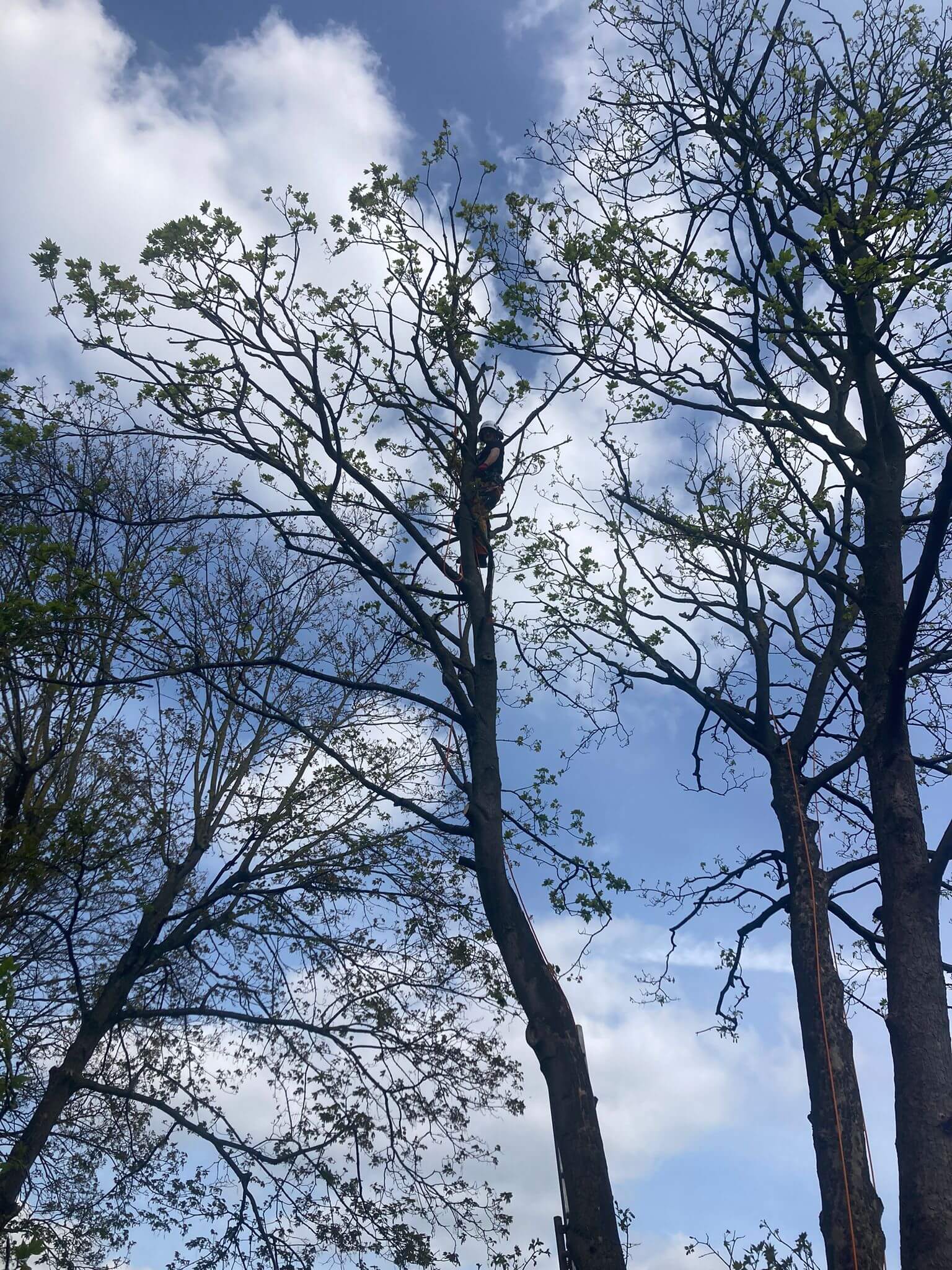
Tree surgeon climbing in Nottingham
Tree removal Nottingham
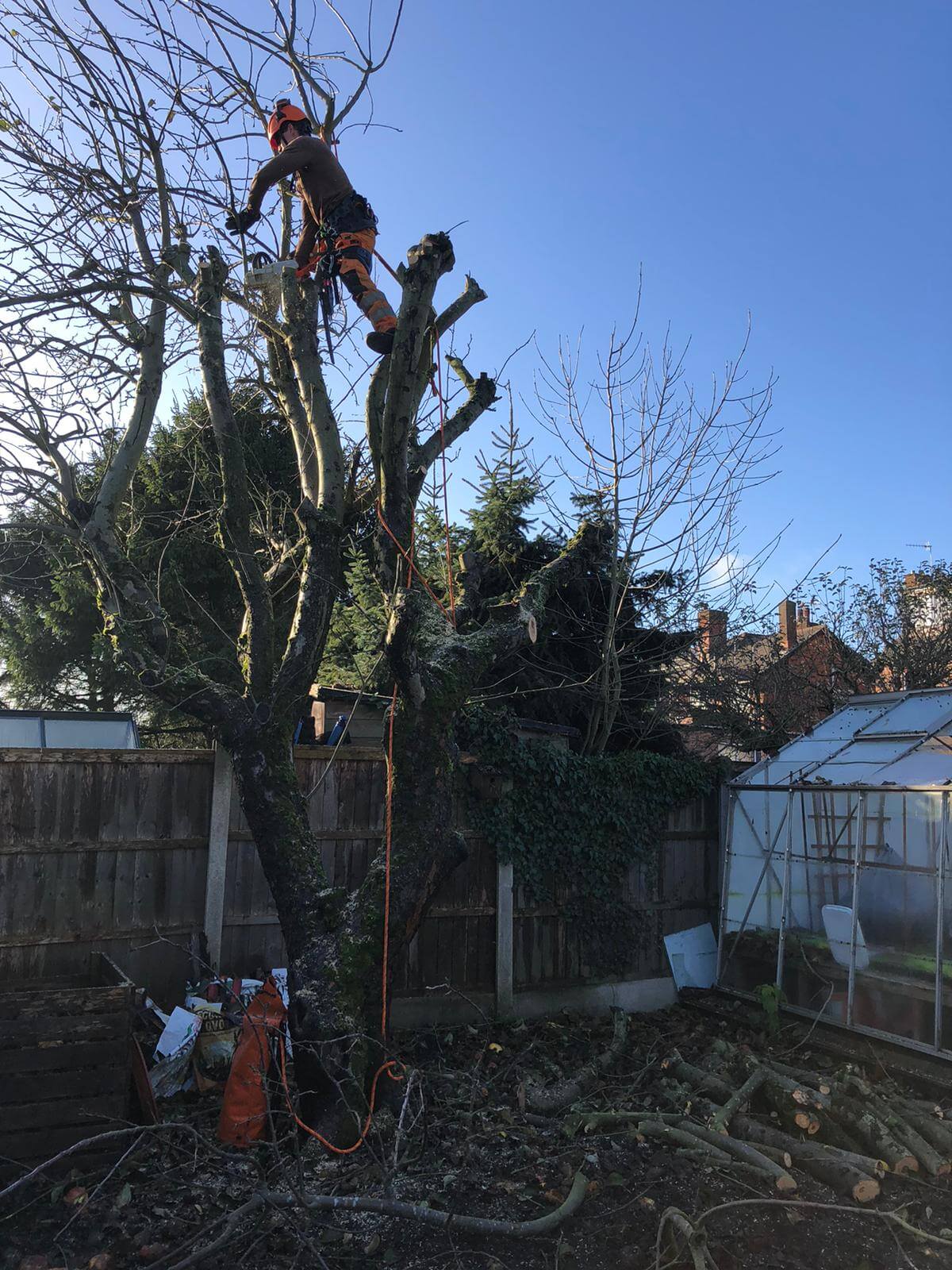
Tree cutting Nottingham
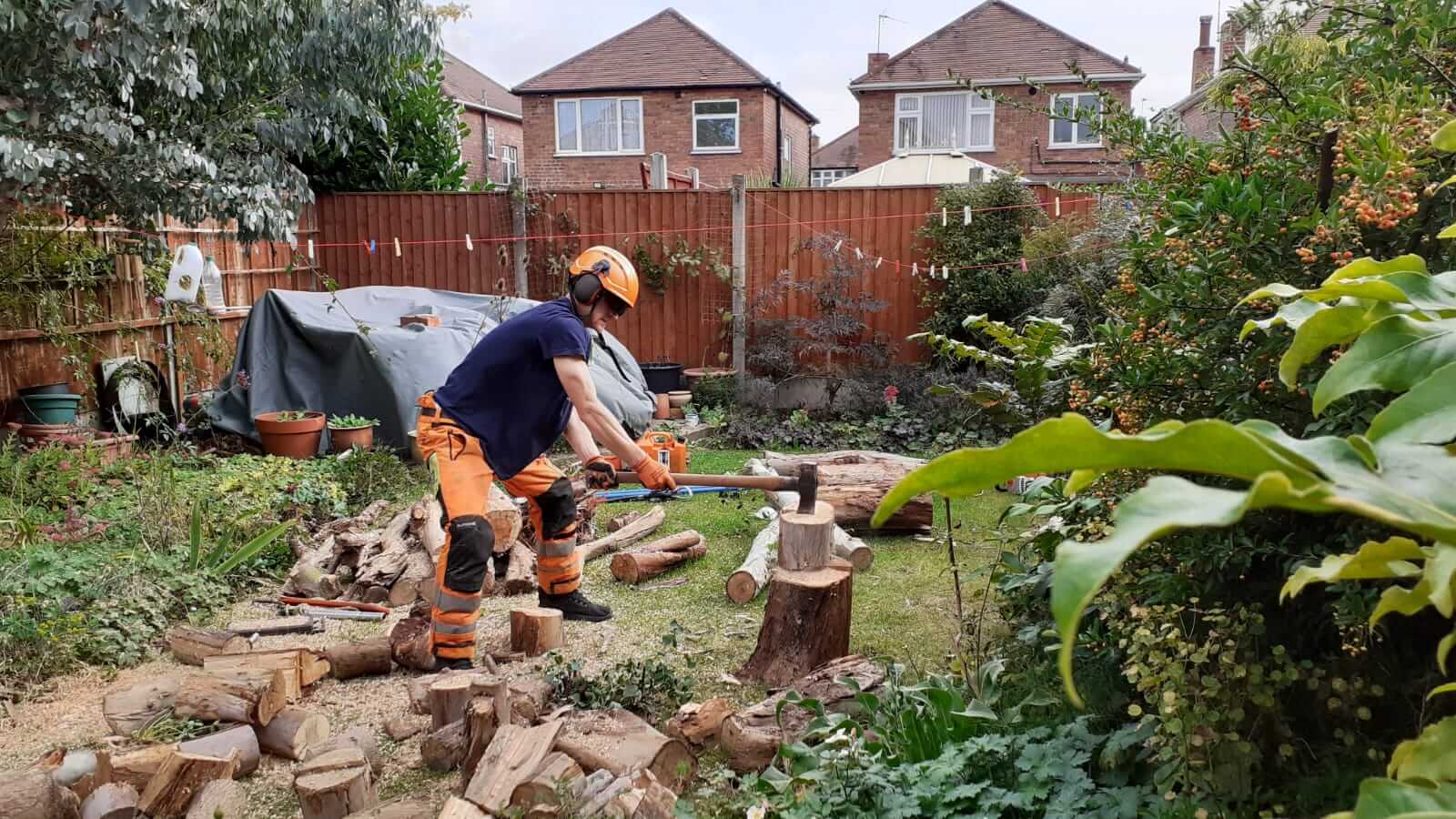
Professional arborist Nottingham
Stump grinding Nottingham
Tree felling Nottingham
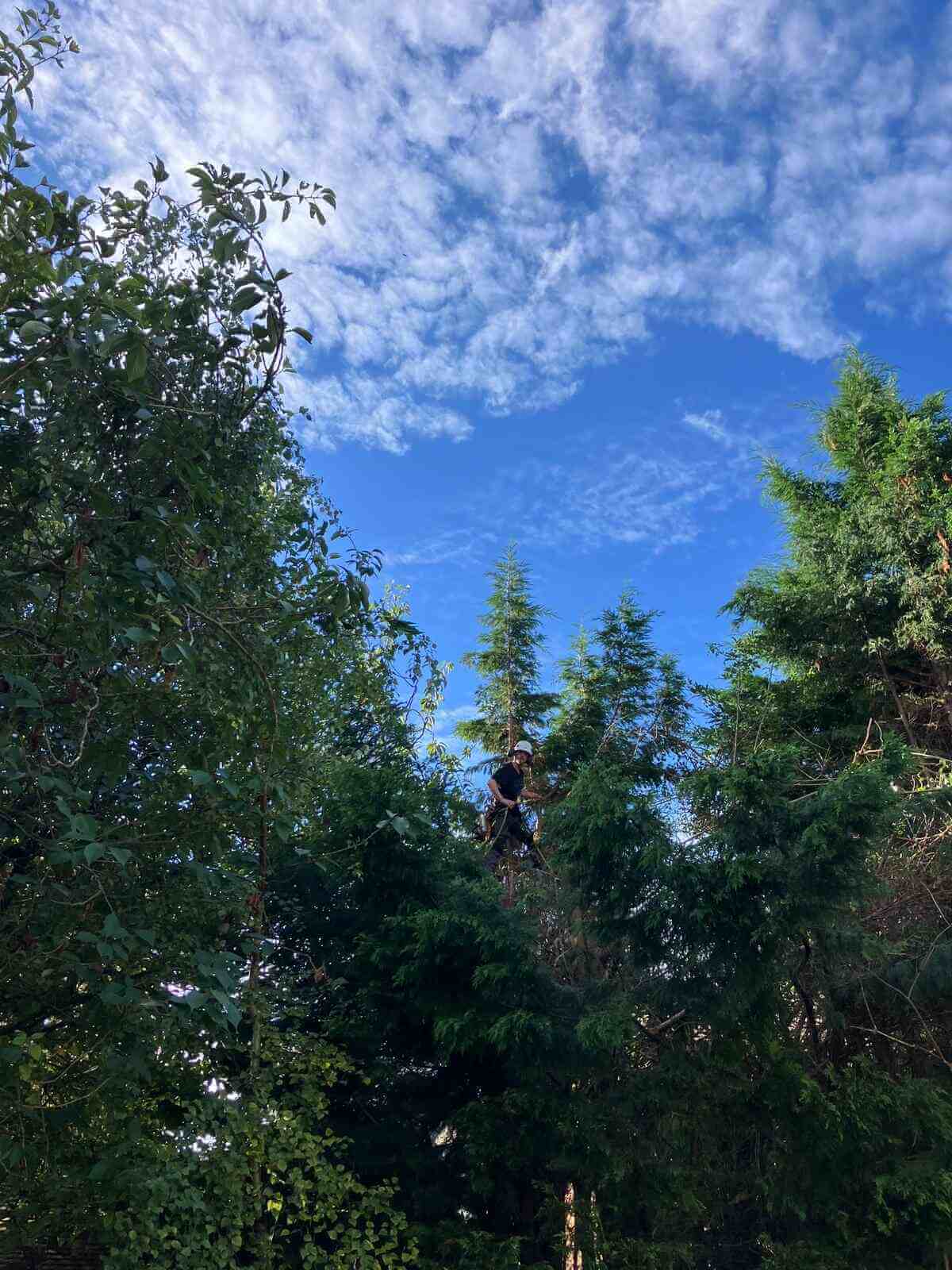
Tree surgery Nottingham
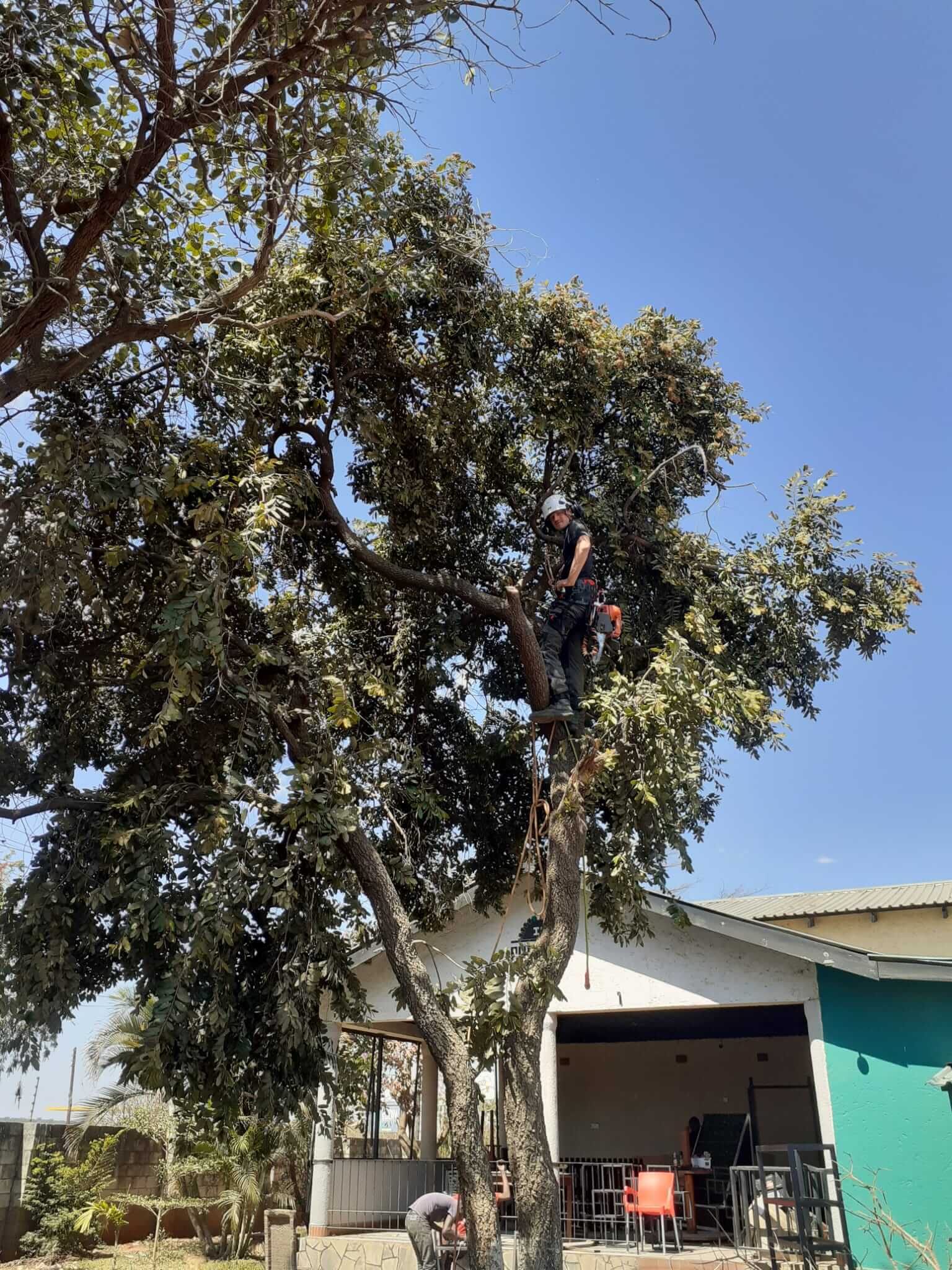
Large tree removal Nottingham
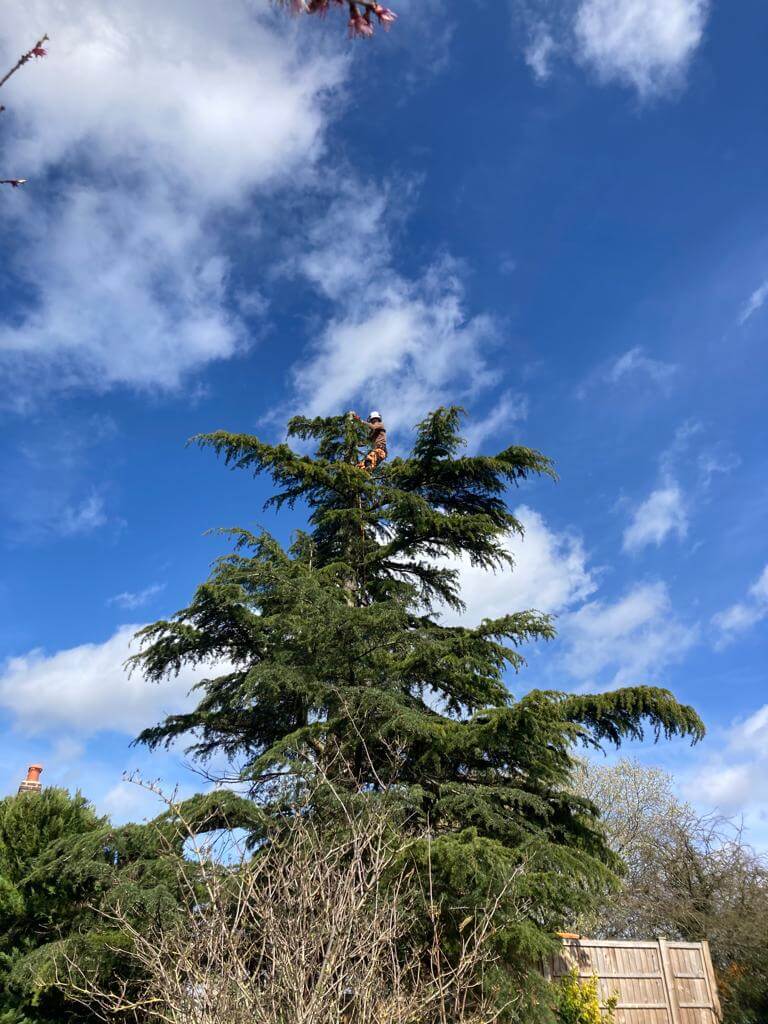
Tree surgeon climbing Nottingham
Complete tree services Nottingham
Where we work

Nottingham & Surrounding Areas

Based in Nottingham, we cover all NG postcodes and neighbouring areas. Local knowledge, professional results.

Nottingham City
West Bridgford
Arnold
Beeston
Carlton
Hucknall
Gedling
Clifton
Derby
Mansfield

Qualifications

City & Guilds CS30-31 & CS38-39
NPTC Certified
BSc Environmental Sciences
8 Years Professional Experience

Nottingham Coverage

We cover all Nottingham city areas and the wider NG postcode district

NG1NG2NG3 NG4NG5NG6 NG7NG8NG9 NG10NG11NG12 NG14NG15NG16
Not sure if we cover your area? Call us — we'll be happy to help. Derby & Mansfield also covered.
Tree Surgery Advice

From Our Arborists

Expert guidance on keeping your trees healthy, safe and beautiful.

Tree Health

Why Topping Trees is Harmful — And What to Do Instead

Tree topping — also called hat-racking or stubbing — is one of the most damaging things you can do to a tree, yet it's still widely requested. Here's why qualified arborists always refuse to top trees, and what the correct alternative looks like.

What Is Tree Topping?

Topping involves cutting back large branches or the main stem to stubs, drastically reducing the tree's crown. It's often done by untrained operators trying to reduce a tree's height quickly. The results may look tidy at first, but the long-term damage is severe.

The Problems With Topping

  • Stress and starvation: A tree's leaves produce the energy it needs to survive. Removing up to 50–100% of the leaf canopy puts the tree under extreme stress, often triggering die-back or even death.
  • Decay at cut sites: Large, blunt cuts made through the middle of branches cannot properly compartmentalise (seal over). Decay fungi and bacteria enter these wounds, slowly rotting the tree from the inside.
  • Weakened structure: The rapid, thin regrowth (water sprouts) that follows topping is weakly attached. These shoots are far more likely to break off in wind than natural branches — creating a safety hazard rather than reducing one.
  • Loss of amenity value: A topped tree never regains its natural form. It looks unsightly and can reduce property value.
  • Ongoing cost: Because topping triggers vigorous regrowth, the tree quickly returns to its original size — meaning you'll face the same work again in two to three years.
Professional note: Topping is condemned by the Arboricultural Association, the International Society of Arboriculture (ISA) and is inconsistent with BS3998:2010 — the British Standard for tree work. A qualified tree surgeon will never top a tree.

What Should You Do Instead?

Crown reduction is the correct technique. This involves carefully reducing the overall size of the canopy by cutting each branch back to a suitable, smaller lateral branch — a natural growing point. The result is a smaller tree that retains its natural shape, heals properly, and remains structurally sound.

Other appropriate techniques depending on your goal include crown thinning (removing selected internal branches to let more light through without reducing height) and crown lifting (removing lower branches to raise the canopy clear of structures or paths).

If a tree is simply too large for its location, the honest advice is often removal and replanting with a more suitable species. This is a better long-term outcome than repeated topping that damages the tree and your wallet.

Pruning Guide

Understanding Pruning Cuts: Where and Why Pruning Points Matter

A pruning cut made in the wrong place can leave your tree vulnerable to disease, decay and structural weakness for decades. Understanding where to cut — and why — is the foundation of good arboriculture.

What Is a Pruning Point?

A pruning point is a specific location on a tree where a cut is made to achieve a desired outcome while allowing the tree to seal the wound effectively. Trees don't "heal" in the way human skin does — instead they compartmentalise wounds, growing new tissue around the cut site. Choosing the right pruning point is critical to how well and how quickly this happens.

The Three Main Types of Pruning Cut

  • Removal cut (collar cut): Used when removing an entire branch. The cut is made just outside the branch collar — the slightly raised, wrinkled tissue at the base of the branch where it meets the stem or parent branch. Cutting into the collar damages the tree's natural defence zone; cutting too far out leaves a stub that cannot seal over and will decay.
  • Reduction cut: Used to shorten a branch while retaining live growth. The cut is made back to a lateral (side) branch that is at least one-third the diameter of the branch being removed. This maintains a natural growing point and avoids leaving dead stubs.
  • Thinning cut: Removes a branch at its point of origin — either from the trunk or from a larger branch. Used to improve airflow, light penetration and balance the structure of the crown.

Common Pruning Mistakes and Their Consequences

  • Flush cuts: Cutting flush with the stem removes the branch collar entirely. This destroys the tree's compartmentalisation zone, allowing decay to spread deep into the main stem. Never cut flush to the trunk.
  • Stub cuts: Leaving a long stub beyond the collar means the stub will die, dry out and begin to rot — eventually allowing decay to enter the branch collar and beyond. All stubs must be removed at the correct point.
  • Cutting to an upward-growing lateral: Where a branch is reduced, the remaining lateral should ideally be growing outward or slightly downward. An upward-growing lateral can become a new leader and cause dominance issues later in the tree's life.
  • Cutting too large branches: Removing branches thicker than 10cm in diameter creates large wounds that are slow to compartmentalise. Good arboricultural practice aims to carry out formative pruning while trees are young, avoiding the need for large cuts later.
When should trees be pruned in Nottingham? Most deciduous trees are best pruned in late autumn to early spring (when dormant), though structural pruning of some species can be carried out year-round. Cherry, plum, and other Prunus species should be pruned in early summer to reduce the risk of silver leaf disease. Always get advice from a qualified arborist before any significant pruning.

Why This Matters for You

A poorly placed pruning cut can cost you a tree. Decay that enters through a wrongly placed cut may not be visible for years — but can eventually hollow out the stem or major branches, creating a structural hazard. Qualified arborists who work to BS3998 standards are trained to identify the correct pruning point for every cut they make.

If you're in Nottingham or the surrounding NG postcodes and need professional pruning carried out correctly, get in touch for a free quote.

Free quote

Get Your Free Quote Today

We respond to all enquiries within 24 hours.

Thank You!

We'll be in touch within 24 hours.

FAQs

Common Questions

01

How much does tree removal cost in Nottingham?

Small trees from £150, medium from £300, large from £500+. Every job is different — we provide free, no-obligation quotes across all NG postcodes.

02

Do I need permission to remove a tree?

You may need permission for TPO (Tree Preservation Order) trees or trees in Conservation Areas. We advise on this during our free assessment — it's part of our service.

03

Do you offer emergency tree services in Nottingham?

Yes — 24/7 emergency cover across Nottingham for storm damage, fallen trees and dangerous branches. Call 07541 016106 any time.

04

Can you top my tree to reduce its height?

We don't top trees — topping causes serious long-term harm, creates decay and produces structurally weak regrowth. Instead we carry out proper crown reduction to natural pruning points, which achieves size reduction while keeping the tree healthy and safe.

05

Are you qualified and certified tree surgeons?

Yes. We hold City & Guilds CS30-31 and CS38-39 qualifications, NPTC certification, and a BSc in Environmental Sciences alongside 8 years of field experience. All work is carried out to BS3998:2010.

06

Do you clean up after the work?

Absolutely — we leave your property clean and tidy. All arisings (timber, branches, chippings) are removed unless you'd like to keep them for firewood or composting.

Get in touch

Contact Us

Location

Nottingham & all NG postcodes